 “Did I request thee, Maker, from my clay To mould me man? Did I solicit thee From darkness to promote me?” ----John Milton, Paradise Lost, Book X, lines 743–745 In Paradise Lost, Adam questions his creator about an existence he did not choose. Shelley places these lines at the beginning of Frankenstein, inviting readers to consider the relationship between a creator and a created being. When the creature reads Milton’s poem, he uses its characters to understand himself. He explains, “Like Adam, I was created apparently united by no link to any other being in existence,” but recognizes that Adam received care and companionship that he has been denied (Shelley 107). He also identifies with Satan: “Many times I considered Satan as the fitter emblem of my condition,” particularly when others’ happiness awakens his envy (Shelley 107). Does the creature resemble Adam, Satan, or a complicated combination of both, and what does this comparison reveal about how he understands his identity and responsibility for his actions? Develop an interpretation that closely examines Shelley’s language and uses one annotation from pages 71–125 to deepen, complicate, or challenge your reading. You might consider:
Treat the annotation as another voice in the conversation. You may agree with its interpretation, qualify it, or question it using evidence from the novel. Critically examine the creature’s account, Victor’s narration, and the annotation contributors’ interpretations. Explaining the creature’s suffering does not automatically settle the question of his responsibility for harming others. Primary Blog Post: 300 - 400 words, due Monday, Oct 26th by 11:59 PM Your post should:
Distinguish between the novelist and the annotation’s contributor: “Shelley describes…” and “In annotation ___, [contributor’s name] argues…” Before drafting, consider: What did I notice initially? What did the annotation help me notice? What do I now understand differently? Use your assigned nom de plume and include your word count. Suggested Annotations: These annotations offer possible starting points. You are not restricted to this list. The questions below are reading guides rather than direct quotations from the notes:
Secondary Blog Responses: Two responses, 100 - 150 words each, due Friday, October 30th by 11:59 PM Read everyone’s primary posts, then select two that invite further discussion.
Go beyond agreement or praise: engage with your classmates’ reasoning and help move the conversation forward. Use your assigned nom de plume, write with minimal errors in grammar and usage, and include a word count for each response. Extra Information: If you are unfamiliar with Paradise Lost by John Milton, Dr Moore of Saint Thomas University gives an excellent and relatively brief overview considering the complexity of this famous poem. As always, remember that this video lecture is Dr Moore's interpretation of Milton's epic classic through the lens of sociopolitical thought. You may find that you have your own interpretation if you choose to read it. Summary (adapted from GreatBooksProf): Paradise Lost, an epic poem by John Milton, is arguably one of the greatest poems written in the English language. It is based upon the creation story found in the Christian Bible. Most religions (current and ancient) have stories that attempt to answer the question: Where did we come from? Interestingly, if you take a Comparative Studies course, you may find many parallels amongst various societies throughout time and place. This is where thinkers like Joseph Campbell developed the concept for his book, The Hero with a Thousand Faces, and Carl Jung's Archetypal Characters. What is Paradise Lost about? Paradise Lost tells the story of the Garden of Eden, God's creation of humanity, Eve's temptation by Satan and Adam's subsequent temptation by Eve. It also tells the story of the War in Heaven, when Satan rebelled against God and fell to Hell. Paradise Lost is an extraordinary epic poem; its major themes include freedom, knowledge, justice, providence, republicanism (lower case "r") and monarchy. This podcast provides a summary of some of Paradise Lost's major themes as well as some strategies for reading Milton's epic poem.
51 Comments
10/25/2026 11:27:47 pm
The creature resembles a combination of Adam and Satan because whilst like Adam he was created as his own original being, he was treated like horror and fear incarnate by the general public (humans) like Satan. Building off of the idea that the creature resembles Adam, the creature believing that he identifies himself as Adam suggests that he believes that Victor owes him some sort of parental guidance as in contrast to Adam the creature was never nurtured, and accepted like he was, only feared and resented. Similarly Shelley writes, " 'Remember, that I am thy creature; I ought to be thy Adam; but I am rather the fallen angel, whom thou drivest from joy no misdeed. Everywhere I see bliss, from which I alone am irrevocably excluded' "(Shelley 80). This shows that Frankenstein although similar to Adam isn't treated the same by society because the creature himself states and comes to accept that he is "irrevocably excluded" indicating that he is excluded and shunned away by society, comparing himself to a "fallen angel" whilst Adam is the true angel being accepted by himself and others. Unlike Adam, the creature believes himself to be more associated with the likes of Satan because like Satan they both were treated like evil incarnate, showing that in identifying himself with Satan he has realized just how different their circumstances are as the creature gained an insatiable hunger for revenge against society who portrays him as an evil entity without giving him a chance, and a newfound envy of people like Felix and Agatha who get to live their life in peace and solitude without being shunned away by society. Whilst at least Satan had a community of demons supporting him and his actions, " 'Many times I considered Satan as the fitter emblem of my condition; for often, like him, when I viewed the bliss of my protectors, the bitter gall of envy rose within me' "(Shelley 107). This supports the idea that the creature identifies himself with Satan due to his thirst for revenge, and newfound envy in the human race because the creature realizes that unlike satan who has support in demon minions backing him up, he himself is alone and isolated, having to be treated like a monster with no community to act as a pillow for him to fall back on. In note 33, p 110 Eileen Gunn builds upon the idea that the creature after observing humans and consuming literature, he believes himself to be worthy of the same kind treatment that humans treat others like themselves, as he found himself as a human no-different than them. Gunn's perspective on the creature enlightened me to the idea that he really is like a "fallen angel" because whilst Adam, although an entirely different being compared to humans was still treated like one. The creature wants to believe that he can be accepted like Adam was through his experiences and consumption of human literature, although the harsh reality knocks him right back down as humanity only treated him with fear and uncertainty when coming at them with a gentle demeanor and tender kindness showing just how out of reach his identification with Adam truly was. Overall, Shelley is trying to convey the main idea that when struggling with your identity don't try to compare yourself to other people, and instead work harder everyday to truly find where you belong and in doing that you'll find your identity and who your are in the end.
Rukhmabhai
10/30/2026 08:17:36 am
Your ideas are very clear and thorough. I had similar ideas about how the absence of Victor’s presence and guidance affected the creature's life. An annotation that would further develop this idea is note 32. Douglas Kelley explains the importance of relationships and connections in the development of people. Relationships are essential in our lives and help us grow our identity. But Victor abandons his responsibility to the creature and this causes the creature to lose sight of himself. It is hard for the creature to develop into his true self that is inherently good, when Victor exposes him to such malice and evil. This annotation really supports your idea that Victor’s neglect is what caused the creature to start resembling satan.
Marie de la Comcapion
10/30/2026 11:12:02 am
I really enjoy your blog alot and I think you have exceptionally conveyed your ideas relevant to the prompt! I think that annotation 1 on page 71 could also help you expand more on your ideas! Annotation 1 on page 71 conveys something similar to your message of the combination of Adam and Satan. I think that this annotation could help you since it explores the fact that the creature is regretful and remorseful, but still takes his vengeance on his creator with any means possible. It also goes into the idea that he has had enough human interaction and observance to understand what he's done is now morally wrong and because of his actions he had caused someone else who is innocent to lose their life.
Jiang Hui
10/31/2026 11:55:52 am
Your discussion of the creature’s connection to Adam helped me reconsider how important his desire for acceptance is to his identity. I focused more on how the creature becomes like Satan after humanity repeatedly rejects him, but your point about Victor owing him parental guidance adds another layer. When the creature says he “ought to be” Victor’s Adam, he is not only comparing himself to Adam because they were both created alone; he is also recognizing what he was denied. Adam received companionship and acceptance, while the creature receives fear and rejection. This makes his eventual identification with Satan even more significant. He does not begin wanting to become Satan, he turns toward that identity after realizing that the acceptance he hoped for may be impossible. His identity is shaped by both his creation and society’s response to him.
Marie de la Campacion
10/26/2026 02:01:28 pm
In Mary Shelley's Frankenstein, the creature resembles a complicated combination of both Adam and Satan. This comparison reveals that the creature's lack of “human nature” and high “maliciousness” does not take away from the creature's sense of purity and regret. The creature from the day he opened his eyes knew that he wasn't like “most” people and would never be classified as “normal”. The creature wasn't born into a “family” or a normal sense of life and acted purely off of the anger of being rejected from the one person who created you. The creature fully realizes that the things and the murders he committed under the act of rage is now morally wrong in a sense, but doesn't stop him from still holding that want of revenge and acceptance. Mary Shelley takes this as a leverage to show a combination of Adam and Satan to show that even though the creature is a “menace” to society (Satan) He still feels that level of ”child-like” emotions and reflection (Adam). The creature states “Justine died; she rested; and I was alive” (Shelley 71) followed by “The blood flowed freely in my veins, but a weight of despair and remorse pressed on my heart, which nothing could remove” (Shelley 71). This shows that even though the creature is visibly “distasteful” and his actions are unremarkable, he still has that “uh oh” and deep sense of guilt to the point where he is always actively reflecting on his past actions as he gains knowledge and understanding of the world around him. Annotation 1 and page 71, accurately and deeply connects my idea to the words written in the text. Annotation 1 talks about how there is a strong and almost "opposite" connection between Victor’s guilt and grief to the Creatures guilt and grief. Annotation 1 helps me connect to my idea. It states that the creature has a high sense of remorse and regret and how committing such acts shapes the creature's psychological future too. What I took away from the annotation that propels my own work is that the creature's “failure” and his realization that he has hurt everyone but the one person he set out to really hurt has left him in the “middle” between Adam and Satan. This shows that the creature's lack of “human nature” and high “maliciousness” does not take away from the creature's sense of purity and regret. 10/26/2026 08:43:20 pm
I like how the annotation you chose dives deeper into the idea that the creature in a fit of rage, and desperately wanting revenge doesn't realize that all the harm he's done initially intended to affect Victor has hit a chain reaction not only affecting him but a multitude of other innocent people. Which helps tie into my idea that through his loneliness and failure by Victor to be nurtured the creature turned his kindness and gentleness towards humans into envy and rage as after the affects of his altercation with the Delacey family he lost all hope for humans acceptance towards him, and decided to treat them just as harshly as he had been treated by striking Victor where it hurts first, his little brother William leaving Victor in an endless void of despair and guilt as he is disgusted in the monster that he had created with his own bare hands.
Mary Ward
10/28/2026 11:31:19 am
I think that your annotation was a good choice and helped me to understand the complexity of the creature’s character. Throughout the novel we are told about the creature through both other’s eyes and the eyes of the creature itself. This allows the reader to really build their own opinion on the creature. But, specifically through the creature’s eyes we can see that he does feel remorse for his actions, which pushes me towards it being a middle ground between “Adam” and “Satan” which you had mentioned prior as well. I think your annotation does a great job at conveying the creature we hear about and the differences from the creature itself.
Madame Curie
11/1/2026 10:23:04 pm
Your focus on this annotation helped me understand that even though the monster can’t really learn how to be human through his bad circumstances and his connections to Adam and Satan, the creature realizes that his circumstances don’t justify his actions against those who were ultimately innocent. This makes me hopeful for the creature’s development, as it seems that he is slowly but surely learning the right things through his unfair rejections. If the creature keeps going in a more positive direction with his development, I think that would isolate him from his connections to Adam and Satan; he would become more human through said development, whereas Adam and Satan are seen as one-of-a-kind.
Clara Willdenow
10/26/2026 04:17:48 pm
The creature resembles a complicated combination of both Adam and Satan. Like Adam, the creature knows he was created with no link to any other beings, but he did not receive the care and companionship Adam did. This comparison shows the creature’s ability to understand his situation. The creature mentions Adam was “guarded by the especial care of his creator” while he was “wretched, helpless, and alone” (Shelley 107). This suggests that the creature believes that Victor should have acted as a father and provided care because that is his responsibility as the creator, especially since he did not ask to be created. As a result, the creature's desire for revenge intensified. In addition, he identifies with Satan as the joy of others awakens emotions like envy and rage within. However, he knows that even Satan had followers. When he comes across a child we know to be William, he creates a plan to make him his companion which goes terribly wrong after William mentions his father is M. Frankenstein, awakening the creature's desire for revenge. After strangling William, the creature says to Victor, “my heart swelled with exultation and hellish triumph…” (Shelley 119). This reveals that the creature did know what he was doing, was proud of himself, and, in a sense, was trying to justify his actions by sharing the hardships he experienced. However, killing William showed Victor that he might be the monster he was originally believed to be and that he finally crossed the line between good and evil. In the annotation by Sean A. Hays, he writes, “A significant part of who we are as individuals is created in response to what we observe in others” (Note 29, p.105). Hays explores what factors shape the creature and how it can create longing. This influences the comparisons the creature draws, as the creature has deep admiration for the De Laceys, in which he sees how they are as a family. Therefore, the creature is able to see the clear difference in how he has been treated, drawing the conclusion that he is similar to but also different from Adam and Satan. While the creature does experience hardships and is abandoned, it does not justify the killing and framing of innocent people who had nothing to do with his creation, and instead it justifies his desire for revenge against Victor, who is his creator and does not take responsibility. 10/26/2026 09:42:40 pm
I like how you brought up the idea of Satan closely resembling the creature, although I believe that you could make an argument for Victor being closely related to Satan because like Satan, Victor mirrors his fall from grace, as it was his decision to create this monstrosity and bring forth this being upon the world, and on top of that he refuses to take responsibility for the nurturing of the creature only fueling its rage and resentment towards humans leading towards more pain and agony lying in the wake of the creature all at the hands of Victor, as his attempt at playing God not only will be his downfall by accomplishing the feat of creating new life showed how Victor's initial intentions were vile and the monster was just born in an unfortunate environment that ultimately led to his path towards acceptance.
Rukhmabhai
10/30/2026 07:45:16 am
I really like the annotation you used because it helps me understand why the creature is such a complex character. We know that when the creature was first created, he had an innocent and naive mind, he was unaware of the ways of the world. This interpretation helps explain that the creature gained his personality from the people around him. While the De Lacey’s helped him grow empathy and compassion, Victor’s actions caused him to be untrusting and insecure. It shows me how the creature cannot just be “good” or “bad” because he has gained his personality from all the people around him.
Evangelina Bottero
10/30/2026 02:12:18 pm
I agree with your interpretation that the creature's suffering helps explain his resentment but does not justify his actions. Your discussion of Sean A. Hays's Annotation 29 helped me recognize how much the creature's understanding of himself is influenced by observing others. His admiration for the De Laceys allows him to recognize the companionship and acceptance that he has been denied. This further connects to the creature's comparison to Adam because, unlike Adam, He is never given the opportunity to develop relationships with others. However, your discussion of William's murder also shows how the creature eventually allows his resentment to influence his decisions. Although Victor's abandonment contributes to his transformation, the creature still has responsibility for the harm he causes.
Evangelina Bottero
10/30/2026 02:13:13 pm
WC: 119
Jiang Hui
10/31/2026 11:57:35 am
I agree that William’s death represents a turning point in the creature’s understanding of his own morality, but I think his identification with Satan makes this moment even more complicated. You mention that the creature feels “hellish triumph” after killing William, showing that he understands the seriousness of what he has done. However, earlier he says that Satan is the “fitter emblem” of his condition because he envies the happiness of others. This suggests that the creature is not simply acting out of revenge against Victor anymore; he is beginning to embrace the identity he believes society has forced upon him. William’s death therefore shows that although the creature’s suffering explains his hatred, it cannot completely justify his actions.
Madame Curie
10/26/2026 07:45:15 pm
I believe the creature is an imperfect combination of Adam and Satan, but he identifies more with Satan in the mix. Like Adam, the creature was made to be “perfect” in the sense that it would take after the creator's image, with god and defying death respectively. Also like Adam, he learns from beings that are “superior,” being humans of the time who were superior in language and humanity compared to a baby, which is evident when the creature notes he “was allowed to converse with and acquire knowledge from beings of a superior nature” (Shelley 95). But that’s where the similarities to Adam end and those to Satan begin. Both rebel, but while Satan rebels out of pride against God, the creature rebelled against humanity due to the unfairness of the fact that he can’t be loved due to his monstrous appearance. This transformation is clear when he declares, “I, like the arch-fiend, bore a hell within me; and, finding myself unsympathized with, wished to tear up the trees, spread havoc and destruction around me, and then to have sat down and enjoyed the ruin” (Shelley 97).
Madame Curie
10/26/2026 08:25:49 pm
Word Count: 363
Dorothy Banks
10/29/2026 03:42:09 pm
Your comparison of the creature to both Adam and Satan helped me notice how much his identity changes because of how others treat him. I agree that he first wants to be accepted by Victor, almost like a child who wants love from a parent. However, when Victor abandons him and people reject him because of his appearance, he starts to see himself differently. This connects to the idea that relationships help shape a person’s identity. The creature does not start out wanting to hurt people, but his loneliness and rejection influence his actions. I also think his comparison to Satan shows that he understands his own anger but does not know how to deal with it in a healthy way. His suffering helps explain his behavior, even though it does not excuse the harm he causes.
Marie de la Comcapion
10/30/2026 09:50:35 am
I really enjoyed how you kept an "openminded" mindset when comparing the creature to a combination of Adam and Satan but more in the sense of Satan. I also love how you connect both the fact of how both Adam and Satan both rebelled since people often classify only really Satan as the “bad one”, when in reality they both rebelled but in and for two different reasons. I also like how you included that to the creature, Victor is like his “god” and in the sense Adam had Eve and that crave of the companion, and so does the creature. He craves that longing for love since he doesn't love him.
Rita Lobato
11/1/2026 11:55:04 pm
I found your discussion of Stephanie’s annotation is interesting because it connects to the creature’s struggle to develop his own identity. Your point about the creature using Adam and Satan to understand his circumstances helped me recognize that his lack of relationships makes it difficult for him to understand who he is outside of those characters. This connects to my interpretation because I also believe the creature represents a combination of Adam and Satan. Adam represents his desire for companionship, while Satan represents the anger that develops from rejection. However, your interpretation adds that neither identity can completely replace the relationships he needs to develop his own sense of self.
Evangelina Bottero
10/26/2026 10:12:17 pm
The creature resembles both Adam and Satan, but he begins more like Adam and becomes more like Satan due to how others treat him. He never asked Victor to create him, and once he is brought to life, Victor abandons him. This makes the creature similar to Adam because both question their existence and their relationship with their creator. However, unlike Adam, the creature is left alone without anyone to teach him how to live or give him love. The creature explains this when he says, "Like Adam, I was created apparently united by no link to any other being in existence" (Shelley 107). This shows that he sees himself as someone who deserves companionship but has been denied it. Victor gave him life but failed to take responsibility for creating another being. The creature's comparison to Adam suggests that he believes Victor owes him more than just existence. He deserves the chance to build relationships and experience acceptance. However, the creature also compares himself to Satan, saying, "Many times I considered Satan as the fitter emblem of my condition" (Shelley 107). Unlike Adam, Satan is separated from others and becomes resentful. The creature relates to this because he watches other people experience happiness while he remains excluded. His suffering helps explain why he becomes angry, but it does not excuse the harm he causes. Although he initially desires acceptance, his anger eventually influences him to seek revenge. Annotation 32 by Douglas Kelley deepens this interpretation by exploring the difference between giving someone life and providing the relationships they need. This supports the idea that Victor failed as a creator because he never cared for the creature after bringing him into existence. However, the creature still has responsibility for his own choices, even after experiencing rejection.
Madame Curie
10/29/2026 02:04:08 pm
Dorothy Banks
10/29/2026 03:43:20 pm
I agree with your argument that the creature becomes more like Satan because of the rejection he experiences. The quote, “Many times I considered Satan as the fitter emblem of my condition” (Shelley 107), shows how strongly he relates to being alone and excluded. However, I also think this quote shows that the creature is beginning to see himself as a monster because of how others treat him. Victor’s abandonment makes him feel unwanted, and the rejection from humans makes him believe he will never belong. This connects to your point about Victor’s responsibility because Victor created the creature but never taught him how to live or gave him love. At the same time, the creature’s suffering does not make his revenge acceptable. His experiences help explain his choices, but he is still responsible for the harm he causes. 10/29/2026 07:51:50 pm
Another piece of evidence that develops your argument is when the creature says, "'Cursed, cursed creator! Why did I live?’...my feelings were those of rage and revenge" (Shelley 113). This connects to your argument as it shows that the creature himself did not ask to be created, so when the Delaceys, whom he deeply admired, reacted with horror at the sight of him, the only thing he could feel was the need for revenge. Building on your argument, since the Delaceys represented the creature's final hope for belonging, the creature comes to realize that Victor needs to take accountability and accept responsibility for his actions, owing him some form of compensation for his suffering.
Theodosia Bur
10/31/2026 12:14:54 am
I had similar ideas about how the creature resembles Satan more and how the the absence of Victor’s presence and guidance affected the creature's life. I have noticed a lot of people use the annotation note 32. Douglas Kelley when explains the importance of relationships and connections in the development of people. I think you use it well when explaining how relationships are essential in our lives and help us grow our identity.
Rita Lobato
11/1/2026 11:56:35 pm
I agree with your argument that the creature begins more like Adam but gradually becomes more like Satan because of his experiences with rejection. However, I think an important part of this comparison is that the creature understands his suffering but does not always recognize how his actions affect others. When he explains that he has “a hell within me”, it shows how deeply his rejection has influenced his emotions. However, this does not mean he has to follow the same path as Satan. He still makes decisions about how to respond to his suffering. This adds another layer to your argument because it shows that Victor is responsible for abandoning his creation, but the creature is also responsible for his own choices.
Amalia Heredia Livermore
10/26/2026 11:06:58 pm
In Mary Shelleys Frankstein, the creature's identification with Adam and Satan reveals the tension between who he wants to become and who his experiences shape him to be. It's a complicated mixture of both Adam and Satan because, over time, while the creature does gain characteristics associated with Satan's behavior, he also continues to experience regret and remorse, which is an overall moral reflection. By identifying with Adam, the creature highlights his craving for acceptance and care, and his belief that Victor, as his creator, owes him the guidance and care that every being created deserves. In contrast, his identification with Satan stems from the rejection and hate society has placed upon him. It reflects the psychological effects of being excluded from the very society the creature longs to be a part of. As the creature's desire for deep connection intertwines with resentment and envy, the creature connects feelings of suffering to a justification for revenge. Shelley uses this comparison to show how a lack of empathy and care can twist an individual's sense of belonging. By comparing himself to Adam, the creature creates this idea that Victor has failed him as a creator by neglecting all his responsibilities as a “parent”. He states, “I am thy creature; I ought to be thy Adam; but I am rather the fallen angel”(Shelley 80 ). By contrasting the words “ought” and “rather”, Shelley emphasizes the difference between the identity that the creature has developed due to rejection, and the identity that he believes he deserves. This highlights the creature's need for affection. You also have to remember that Victor's dream to invent life is motivated by his ambition to accomplish greatness and overcome the limitations placed upon humanity. He believes that his discoveries will gain him the respect and acknowledgement of others and allow him to transcend human limitations. Victor believes that parenthood is an achievement that should be congratulated and applauded rather than a healthy connection of love and care. The creature doesn't want to be a tool; he doesn't want to be something unnatural; he wants to be seen as the equivalent of a human. Despite this, the creature's reference to “a fallen angel” shows that he is beginning to associate himself with Satan because that's how society views him. Despite all of this, as the creature begins to experience more emotions, it complicates the idea of him being entirely evil. After Justine's death, the creature states, “Justine dies; she rests; and I was alive”(Shelley 71 ). The creature also admits, “A weight of despair and remorse pressed on my heart, which nothing could remove”(Shelley 71 ). The contrast and metaphor used in these quotes suggest that guilt is a burden that the creature has to learn to live with, which demonstrates how the creature is becoming emotionally competent. It also shows that the creature is beginning to realize that every action has consequences. For my annotation, I chose Douglas Kelly's annotation 32. I think his annotation helps emphasize the big difference between creating life and providing the necessary resources to keep that life alive. It also shows how Victor's actions not only shape the person he becomes but also what his creation will end up as.
Marie Rennotte
11/1/2026 05:38:21 pm
Yoshioka Yayoi
10/27/2026 03:45:37 am
In Mary Shelley's Frankenstein, the creature resembles both Adam and Satan from Paradise Lost, but neither character completely represents his situation. Initially, I saw the creature mainly as a victim because Victor Frankenstein abandoned him immediately after creating him. However, the creature's comparisons to Adam and Satan reveal that he struggles with loneliness, rejection, and his own responsibility for his actions. Although his suffering helps explain his behavior, it does not excuse the harm he causes others.
Mary Ward
10/28/2026 11:38:39 am
I think in your response you do a really great job of highlighting both sides of the creature from its perspective. This perspective is important because we are able to see life from its point of view, allowing the reader to form their own interpretation. However, I think another important perspective to look into is that of Annalee Newitz on page 81, note 12. In this annotation she reminds us that we only have Walton’s version of Victor’s version of the creature’s story. This paints the idea that Victor may have wanted Walton, and thus the reader, to see the creature as something that hates humanity and everything that comes with it, which would shift the reader to think of the creature as Satan-like. I think this annotation offers an interesting perspective on the creature and how it is interpreted through different people’s perspectives.
Mary Ward
10/27/2026 11:49:03 am
The creature embodies attributes of both Adam and Satan. On one hand, the creature resembles Adam by his upcoming and creation. On the other hand, the way in which others treat the creature resembles that of Satan. Throughout Volume 2 of Frankenstein the audience is taken through the perspective of the creature. In this, the reader can see the contradiction of the creature as an idea(before he was created) and the creature as a physical being(after he was created). In this volume, the creature expresses “Remember, that I am thy creature: I ought to be thy Adam; but rather the fallen angel, whom thou drivest from joy for no misdeed” (Shelley 80). In this quote we hear how the creature feels directly about his upbringing and his current life. He was brought up like Adam, being formed by a creator rather than born from a woman. However, the way that the creature is perceived in society is not that of Adam but rather that of Satan. One thing that exemplifies this was when Victor Frankenstein was walking on the ice and had encountered the creature. Victor stated that “I perceived, as the shape came nearer, that it was the wretch whom I had created…its unearthly ugliness rendered it almost too horrible for human eyes” (Shelley 79). In this scene, the reader can clearly identify how Victor(and society) sees the creature on a physical level. This resembles that of Satan because many people labeled him a monster from the beginning rather than getting to understand him. While the creature can be viewed from either standpoint, it is important to see the story from its side as well.
Evangelina Bottero
10/30/2026 02:25:40 pm
Your discussion of Victor's perspective helped me consider how much the creature's identity is influenced by the way other perceive him. However, I would argue that the creature's own narration complicates this interpretation. Although Victor immediately views him as a monster because of his appearance, the creature's experiences reveal that he was not necessarily created with evil intentions. When the creature explains, "I was benevolent and good; misery made me a fiend" (Shelley 107), he suggests that his suffering and rejection contributed to his transformation. This connects to your discussion of the novel's framing narrative because readers initially experience the creature through Victor's perspective before hearing his own story. His narration challenges the idea that he is inherently evil and instead raises questions about how much responsibility Victor has for what he becomes.
Amalia Heredia Livermore
10/31/2026 01:53:38 am
The distinction you made between the creatures' identity before and after creation is fascinating because it highlights how one's identity can be molded by others' perceptions. By making the point that the creature resembles Adam through creation yet Satan through societal norms, we can suggest that a person's identity and nature perhaps aren't the same thing. God provided Adam with help and the guidance he needed, but unlike God, Victor rejects and abandons his creation without considering the consequences it will have. Shelley suggests that the creature isn't inherently evil but is pushed toward that identity in his search for acceptance.
Rukhmabhai
10/27/2026 11:54:42 am
I think the creature is a complicated combination of both Adam and Satan. The creature resembles Adam in many ways. Both the creature and Adam are the first of their kind and left to fend for themselves with no direction and guidance. They are both brought into the world through a higher being rather than a mother/father figure. Both Adam and the creature have a longing for companionship and are naive and innocent to the way of the world. Though, God did not treat Adam the way Victor treated the creature. God still had admiration and care for Adam whereas Victor completely rejected the being of the creature. This can relate to how Adam was created to be “perfect” and had exuded a charming aura while the creator is described as grotesque. On page 80, Victor says to the creature, “Abhorred monster! Fiend that thou art! The tortures of hell are too mild a vengeance for thy crimes. Wretched devil…” (Shelley 80). This quote shows the harsha nd vulgar words Victor uses to describe the creature, which is different from the way Adam was treated by God. I think the only difference between the creature and Satan is the way they were treated by their creators, because of Victor's hostility the creature wanted to get revenge and started to resemble Satan more. The creature himself says, “Everywhere I see bliss, from which I alone am irrevocably excluded. I was benevolent and good; misery made me a fiend. Make me happy, and I shall again be virtuous” (Shelley 80). This quote displays that the creature has turned to evil because of how he has been treated by Victor. He does not want to be immoral but his experiences have turned him against humanity. Everytime he has tried to be a part of the greater good, he has received backlash for it which affects him greatly. The creature's desire for revenge is what makes him resemble Satan. I think annotation 12 by Annalee Newitz on page 81 is very helpful and supports my argument. Newitz explains that the creature knows who he is and wants to be good but he can only see the reflection of the monster others see him as. I agree with this idea and believe that is why the creature seeks revenge instead of being true to his good nature.
Rukhmabhai
10/27/2026 11:59:42 am
harsh and vulgar*
Clara Willdenow
10/29/2026 07:22:33 pm
Your annotation helped me notice that the creature may have acted out of revenge because of the way he is perceived by others. However, this contradicts my original thought because the creature did say, "my heart swelled with exultation and hellish triumph" after killing William. Therefore, it is hard to defend the creature because if he truly wanted to be good, he shouldn't have felt good about what he did, and instead, he should have felt remorse or something in order to show he regretted his actions. Overall, I think you did a great job using the annotation to support your own idea.
Amalia Heredia Livermore
10/31/2026 02:03:15 am
I agree that Victor's rejection, along with societal standards, plays a major role in the creature's identity transformation. Another piece that deserves attention is the possibility that suffering can explain his actions without confusing them. Your quote," I was benevolent and good; misery made me a fiend. Make me happy, and I shall again be virtuous” (Shelley 80). emphasizes how the creature is able to recognize the difference between the person he once was and the person he has become. Despite this, as the story goes on, his actions cause suffering for others. This creates a dynamic between responsibility and victimhood. Shelley creates the idea that although society has a huge impact on identity, one must face the consequences of their actions, even when they emerge from hardships and pain.
Alice Eastwood
10/27/2026 09:01:55 pm
In Mary Shelley’s *Frankenstein*, the creature compares himself to Adam and Satan from *Paradise Lost* because he is trying to understand who he is and why Victor created him only to abandon him. Both characters help him understand his situation, but he feels more connected to Satan because of the anger and loneliness he experiences. His comparison to Adam shows that he wants love and guidance from Victor, while his connection to Satan shows how rejection has changed the way he sees himself and others.
Sarah Drake
10/30/2026 09:57:35 pm
Your interpretation of the creature's identity, specifically your focus on his immediate abandonment by Victor and its impact, connects directly to my own writing. You highlight and emphasize the creatures first desire for love and guidance, which is very different from what reality gives him. You do a really good job at showing this through your quotes and analysis. This difference shows the creature's yearning for a parental figure and guidance. This relates heavily to my own interpretation, as I also emphasize this desire for connection through social interactions that the creature should've been given from the start. This connection directly explains Victor's failure to provide companionship to his creation.
Sarah Drake
10/27/2026 11:05:37 pm
In Mary Shelley's Frankenstein, the creature grapples with a complex identity, seeing himself as both an abandoned/wronged innocent like Adam and a resentful/bitter outcast like Satan in John Milton's Paradise Lost. This constant duel between identities is giving the creature a very hard time understanding his rapidly growing sense of responsibility for his actions while also dealing with a lot of suffering. While the creature originally aligns with Adam's place of being unchosen while searching for companionship, the creature's experiences with growing envy and isolation push him towards identifying with Satan's ideals of rebellion and desire for revenge. The creature's experiences show how loneliness and rejection can change a person’s whole identity and influence their choices.
Marie Rennotte
11/1/2026 05:53:06 pm
Sarah makes a case that Ed Finn’s note shows that Satan is used as a blueprint for the creature’s anger. I agree that *Paradise Lost* gives the creature a model for how to fight back. I want to add another layer by looking closely at the quote Sarah mentions: "I ought to be thy Adam, but I am rather the fallen angel" (Shelley 80). The creature’s use of the word "ought" shows that adopting Satan’s personality is not his wish. It feels like a surrender to a role society forced on him. Rather than seeing Satan only as a set plan for the creature’s anger, we can see it as a tragic mask that the creature wears out of desperation. It is a way for him to find some control when all chances for love and Adam‑like acceptance have been shut forever.
Rita Lobato
10/29/2026 03:33:00 pm
The creature says, “Like Adam, I was created apparently united by no link to any other being in existence” (Shelley 107). The similarity is that both begin life without parents or peers like themselves. However, the creature recognizes that Adam’s situation was better because Adam received attention from his creator and eventually had companionship. The creature has been given life without the relationships that might help him learn how to belong. His identification with Adam therefore becomes an accusation against Victor: creating him was not enough; Victor also had a responsibility to guide him and acknowledge him.
Sarah Drake
10/30/2026 08:21:47 pm
Your point about how the creature uses Paradise Lost to build an identity rather than discover one is a very compelling view compared to mine. While I focused on how the text provides a view of his suffering, your analysis explains why the shift happens. By saying that the creature's identification with Adam is an "accusation against Victor," you specifically highlight that the creature's struggle isn't only internal but also a direct reaction to the absence of care. In order to further develop your argument, you can look at the vocabulary that Paradise Lost uses in order to create that world of love and caring, which changes into envy and jealousy.
Huang Lu
10/30/2026 01:10:39 pm
To state that the Creature is entirely Satan or Adam is disproved many times throughout the novel; instead, he portrays a complex blend of the two. In the beginning of his creation, the relationship between the Creature and Victor is similar in nature to the creator-and-creation relationship of God and Adam in biblical scripture. Both Adam and the Creature lack biological parents, having instead a creator who formed the first of their kind. Adam was meant to be the first human being, while the Monster was to be the first simulacrum (a physical imitation of a human). However, the shift occurs during the actual lives and actions of both Adam and the Creature. In short, Adam was tempted in the Garden of Eden (Paradise) by a serpent to eat the fruit of the Tree of the Knowledge of Good and Evil, which brought about a moral awakening. As a result, he was cast out of Paradise to lead a life of mortality (a life normal to us). The difference comes from the reason for their expulsion from Paradise. Adam was given a chance to follow directions and lead a life of innocence; he was loved by God from the instant he was created out of dust, whereas the Monster received the opposite treatment from Victor. Victor sees his creation as a sight "tremendous and abhorred" (Shelley 79) and was immediately filled with disgust upon the Creature's appearance, abandoning him right after his creation due to external appearance rather than the fruits of his heart. The Creature was never able to experience Paradise as Adam was; he never got to explore the love of others, or even of his creator. This immediate deployment into a world of hatred gave birth to the same despise toward Victor that Satan held over God. “From that moment I declared everlasting war against the species, and, more than all, against him who had formed me, and sent me forth to this insupportable misery” (Shelley 114). The “misery” that the Creature experiences stems from his attempt to create companionship on Earth, which is disastrous. His envy of human love and domestic warmth transforms into malice and hatred. He explicitly chooses evil, declaring "everlasting war" against his creator, similar in nature to Satan's relationship with God. All in all, in the beginning, the Creature viewed himself as Adam—the first of his creation, who was owed the love of his creator. However, as the world abandoned him and met him with great adversity, he was overcome with feelings of malice, actively choosing to bring vengeance upon Victor’s world and embodying the actions of Satan.
Theodosia Burr
10/31/2026 12:11:03 am
In Mary Shelley’s Frankenstein, I think the creature is a combination of both Adam and Satan. However, I believe he relates more to Satan because of how he is treated by others and how his loneliness eventually turns into anger. Although he was created with the ability to be kind and loving, being rejected by everyone around him changes the way he sees himself and the world.
Jiang Hui
10/31/2026 11:52:33 am
Solely attributing the characteristics of Adam or Satan to the creature is faulty. In fact, the creature resembles a complicated combination of both, revealing that the creature understands his identity as shaped partly by his creation and partly by how others treat him, ultimately showing that he holds humanity responsible for his actions.
Cornelia Clapp
11/5/2026 08:47:42 am
You helped me notice that the monster later transforms himself into Satan and isn't born into either Adam or Satan. His way of living is seen as a reflection of how he grew up and was neglected at a young age from Victor. I liked how you explained how the monster flipped a switch in a way after seeing himself as Adam first but changing to Satan after seeing how Victor saw him through his notes and also acknowledging how he begins to change, wanting vengeance against Victor and having envy towards him knowing that he doesn't want to see Victor happy.
Marie Rennotte
11/1/2026 05:19:41 pm
In Mary Shelley’s Frankenstein, the creature depends a lot on John Milton’s Paradise Lost to figure out who he is and how he fits with his creator. Of being easy to place in one category the creature is a mix of two different roles. He is both Adam and Satan. He uses these characters to try to understand his painful loneliness and the way he is treated.
Kin Yamei
11/4/2026 08:35:53 am
In Mary Shelley’s Frankenstein, the creature, created by Victor Frankenstein, experiences a multitude of struggles regarding his identity, struggling with both his sense of belonging and his humanity. In his journey of self discovery, the creature reads a number of books, including Paradise Lost by John Milton, an epic biblical retelling of the fall from grace, prominently featuring figures like Satan and Adam. While the creature seems to identify as both, moreso Satan as his journey progresses, I believe that labeling him as one or the other is unfitting of his character. The creature characterizes aspects of both Adam, the creation who betrayed his creator, and Satan, the fallen angel set on revenge from the creator who cast him out.
regina fleszarowa
11/4/2026 01:43:25 pm
In Mary Shelley's Frankenstein, the creature resembles a complicated combination of both Adam and Satan, but I think his experiences make him lean more toward Satan as the novel progresses. Although he initially desires companionship and acceptance, his repeated rejection by humans gradually changes the way he views himself and the world around him. His comparison to Adam shows that he believes Victor owes him the same care and guidance that a creator would give his creation. Shelley writes, "Like Adam, I was created apparently united by no link to any other being in existence" (107). This comparison reveals that the creature does not necessarily see himself as evil, but rather as someone who was brought into the world without anyone to guide or care for him. However, his identification with Satan reveals the resentment that develops as he becomes increasingly aware of his exclusion. He explains, "Many times I considered Satan as the fitter emblem of my condition" (Shelley 107). I think this distinction is important because the creature recognizes that his circumstances have made him bitter, even though he was not necessarily created with those intentions.
Cornelia Clapp
11/5/2026 08:36:41 am
In Mary Shelley's novel Frankenstein, Shelley is able to show how the monster is a mix of both Adam and Satan by using descriptive diction to show the monster's emotions and other characters' emotions whenever they’re around him. Throughout the novel, the monster is trying to get back at Victor for leaving him and not wanting to help claim him and raise him up so he uses that anger and resentment that he has towards Victor to try and ruin his life, emotionally and physically. When the monster finds Victor up on the mountain and confronts him, wanting Victor to make a companion for him, Victor even calls the monster the devil, but the monster says that he’s Adam. For example, in Frankenstein, Shelley states, “I ought to be thy Adam; but I am rather the fallen angel, whom thou drivest from joy for no misdeed. Everywhere I see bliss, from which I alone am irrevocably excluded, I was benevolent and good; misery made me a fiend” (Shelley 80). This is able to show how even though it looks like the monster sees himself as Adam, who wants care and companionship that he wants, the monster is also comparing himself to Satan in the same sense since he’s explaining how he gets angered when he sees other having joy that he can’t get because of who he is. Also since Victor knows that he didn’t take the proper time to raise the monster up so he’ll know how to deal with human relationships and how it would be to have feelings for another person, he doesn’t take kindly to having the monster asking him to create him a female companion. So much so that he doesn’t care how much anger the monster would conflict with him. For example, in Frankenstein, Shelley states, “The tortures of hell are too mild a vengeance for thy crimes. Wretched devil! You reproach me with your creation; come on then, that I may extinguish the spark which I so negligently bestowed” (Shelley 80). This is able to show how the monster is seen as both Adam and Satan because he’s being compared to Adam in the sense that he wants so much companionship knowing that Victor didn’t give him any and he hasn’t gotten any from the people that he’s interacted with so far. He’s seen as Satan due to the fact that he’s getting envious when he sees others having joy, so much so that he would later go and kill off Elizabeth on her and Victor's wedding day since Victor didn’t fulfill the monster's wishes of making a companion for him. In annotation Note 32, pp. 109-110 - Douglas Kelley: Kelley emphasizes the importance of connection and argues that Victor provides biological life without the relationships necessary for wellbeing. This is able to show how the monster is compared to Adam in the sense that he never got the companionship that needed to be able grow up well and so now he’s using all of that resentment from not being able to have relationships with people and putting that onto Victor, taking away important relationships from him.
Helen Almira Shafer
11/6/2026 01:08:52 pm
In Mary Shelley’s novel Frankenstein the creature made by Frankenstein--after he reads Paradise Lost--both compares himself to Satan and Adam. Throughout this part of the novel Shelley illustrates a complex narrative both showing how the creature has aspects of both Satan and Adam to add to the creature's unique and unusual upbringing. While watching the De Lacy the creature embodies both Adam and Satan. The creatures' curious and kind nature watching the De Lacy family illustrated by both the creatures thoughts and actions while learning from the De Lacys. “What chiefly struck me was the gentle manner of these people; I longed to join them but I dared not” (Shelley 89). Shelley uses the creature's thoughts in this moment to help substantiate a connection between the creature and Adam. Not only do the thoughts show the creature's curiosity, which Adam is known for, but it also shows his want for companionship, another aspect which he shares with Adam. Even while showing aspects of Adam, the creature still has thoughts that show his aspects of Satan. “The more I saw them, the greater became my desire to claim their protection and kindness; my heart yearned to be known and loved by these amiable creatures: to see their sweet looks turned towards me with affection, was the utmost limit of my ambition” (Shelley 109). Although hidden through sweeter thoughts, there are undertones of envy that Shelley shows in the creature's thoughts here. The creature’s envy of the De Lacy family helps to show aspects of Satan. But the thoughts the creature thinks have both aspects of Satan and Adam as--even in the thought that shows aspects of Satan--there are aspects of curiosity, want of companionship, and envy. Leave a Reply. |
Blog Post Rubric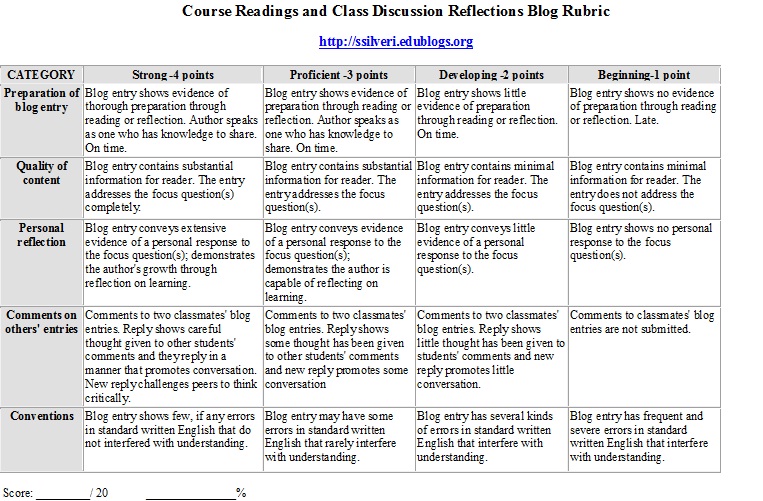
Archives
November 2026
Categories
All
|
 RSS Feed