 Reading: Frankenstein, MIT annotated edition, printed pages 16-69.
Victor devotes himself to bringing a new being into the world. Shelley describes his work through language associated with physical suffering, labor, and parenthood. Yet his anticipation of creating life differs sharply from his response when that life begins. What does this tension reveal about Victor’s understanding of creation and his responsibilities as a creator? Develop an interpretation that closely examines Shelley’s language and uses one annotation from pages 16-69 to deepen, complicate, or challenge your reading. Consider the associations with pregnancy, childbirth, or parenthood that Shelley’s descriptions invite. What does Victor expect from his creation, and what does he appear prepared (or unprepared) to give in return? Treat the annotation as another voice in the conversation. You may agree with its interpretation, qualify it, or question it using evidence from the novel. An important distinction throughout: Shelley’s characters offer competing accounts of their experiences, and the annotation contributors offer their interpretations of those accounts. Neither a narrator’s judgment nor a footnote should automatically become the reader’s final conclusion. In other words, feel free to disagree, but be prepared to defend your position with textual evidence and reasoning! Primary Blog Post: 300-400 Words, due by Tuesday, 11:59 PM. Your post should:
Before drafting, consider: What did I notice initially? What did the annotation help me notice? What do I now understand differently? Use your assigned nom de plume and include your word count. ***For this first discussion blog using annotations from the text, I am providing you with a few suggested annotations that you might find helpful. You are by NO MEANS restricted to these annotations:
Secondary Blog Responses: Two Responses, 100–150 Words each, due by Friday, 11:59 PM Read everyone’s primary posts, then select two that invite further discussion.
Go beyond agreement or praise: engage with your classmates’ reasoning and help move the conversation forward. Use your assigned nom de plume, write with minimal errors in grammar and usage, and include a word count for each response.  Click the image above to listen to the NYPL podcast, "Frankenstein: Our Dark Mirror." In this Primary Blog Post, please copy/paste the notes from your favorite chapter ONLY of the New York Public Library's podcast, Frankenstein: Our Dark Mirror. You may want to "flesh them out" (pun entirely intended) first, as your classmates will be reading and commenting on them this weekend.
Primary Blog Expectations (respond to the prompt above): 200-250 words, minimal errors in grammar and usage, thoughtful and thorough writing. Please use the name you were assigned in class as your nom de plume and be sure to add word count. Due by 11:59pm Thurs night, Feb 6th! Secondary Blog Response Expectations (read everyone's primary responses, select two that interest you, and respond to their ideas): 100-150 words EACH, minimal errors in grammar and usage, thoughtful and thorough writing. Please use the name you were assigned in class as your nom de plume and be sure to add word count. Due by 11:59pm Friday night, Feb 7th! "The Rime of the Ancient Mariner" (1798) by Samuel Taylor Coleridge - Discussion Question10/13/2022

Below you will find three embedded portions of NPR: Radiolab's podcast, "Morality." The fourth embedded link is the full hour of the podcast if you have the time to listen to it in its totality in one sitting.Your assignment for this last blog entry for The Road is to listen to this podcast and comment upon it in a holistic sense (listen to all 3 portions before composing your blog entry).Possible questions to start your blog post: Where does our sense of right and wrong come from? What is the relationship between morality, humanity, and the individual?
|
Blog Post Rubric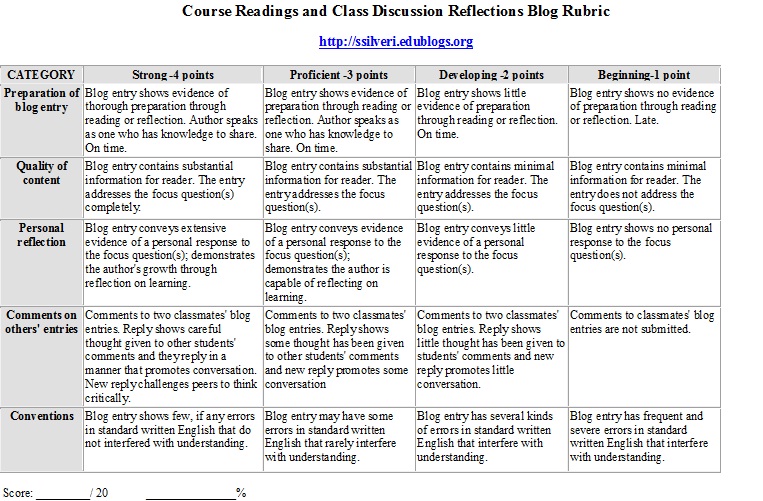
Archives
November 2026
Categories
All
|
 RSS Feed