THAT ENGLISH TEACHER
  • Home
  • Class Blogs
    • English IV Class Blog Period A
    • English IV Class Blog Period B
    • AP Literature Class Blog Periods C&F
    • RTPOPC Class Blog Period E
  • Contact Me
    • About Me...

AP Literature and Composition Blog

Frankenstein: Letters 1-4 Primary Blog Post only! (Click on this title to see comments on your Primary Blog Posts)

10/9/2026

 
Picture
The painting above depicts a fate that Walden fears but is willing to face, risking the lives of his crew, in order to fulfill his all-consuming pursuit of fame's immortality.

After having read these initial letters from the ship's captain to his sister, select a single passage (this may be a single paragraph or several) that you feel best typifies the action AND Shelley's authorial intent in this section of Frankenstein. Explain the action and context of the quoted passage (you must cite the passage) and then explain how your understanding of this passage supports your understanding, deepens the character development, and/or builds a central message that aligns with one of the unit's essential questions.

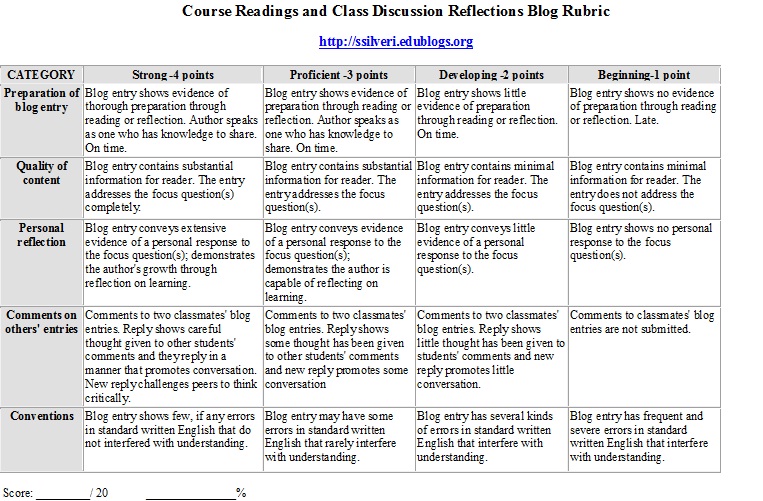
Your blog post must be 250 - 300 words, with minimal errors in grammar and usage, and thoughtful and thorough writing. Please use the 19th-century scientist selected in class as your nom de plume. This Primary Blog Response should be completed by 11:59 PM on Monday. Have a great weekend!
Huang Lu
10/11/2026 05:18:14 pm

Letter III
Paragraph: 5-6

Robert Walton, in the letters to his sister Margaret (which open the novel Frankenstein) update her on the status and safety of Walton and his crew to reassure the idea that he is doing well in the cold conditions. Robert is driven by his passion to obtain recognition for making groundbreaking advances in the exploration of the North Pole, even if it is at the expense of his life. It is within these letters, we receive insight into the character of Walton. he is willing to risk his own life and the lives of his crew for glory. "But success shall crown my endeavors. Wherefore not?" (Walton Letter III). Before this section in the passage, Walton speaks on the cold wind, the passing ice sheets and the days of darkness and light all of which he is disregarding in this section. He is stating in this section that all of the suffering will be worth it, when he is crowned for his exploration. The use of "Wherefore not?" at the end clearly highlights his overconfidence in his ability to succeed which foreshadows his downfall in the image represented above. Furthermore, the use of "shall" when speaking on crowing endeavors portrays his supreme confidence in his ability. The word "shall" used in this context seems as though he feels failure is inevitable and he is going to succeed regardless. In these specific ending paragraphs of Letter III, Shelley is revealing a major character flaw of Walton in his excessive ambition to succeed and overconfidence in his ability. It is driving him beyond norms, which in this case, placed him and his crew in the middle of the Arctic Circle. Shelley is encouraging readers to question if one's own ambitions and goals justify the risk placed on others.

CKRW
10/17/2026 11:59:28 am

Your analysis of Walton's rhetoric, specifically your interpretation of his overconfidence as a foreshadowing of his eventual downfall, shows a high level of critical thinking and textual engagement. While your prose is generally articulate and clear, you should ensure that every new sentence begins with a capital letter to maintain a professional academic standard. How might Walton’s specific disregard for his crew's safety further illuminate Shelley’s critique of the "Great Man" theory in the context of nineteenth-century scientific ambition?

Isaac Schroeter link
10/11/2026 09:43:10 pm

Letter I

Paragraphs 3-4

Robert Walton, in the letters that he sent to Margaret updated and filled her in on his and his crew's condition, along with any important discoveries or advancements that caught his eye along the way. Knowing how cold and dangerous the conditions are in the North Pole Walton made sure to reassure her that he's okay, even though he knows deep down that, that's not true as his passion for finding new discoveries without a care in the world for him and his crew could end up leaving them dead in the long run. Within the details of this letter we get an insight into Walton's true character, as previously stated; he is willing to risk the lives of him and his fellow peers for glory and fame. "These are my enticements, and they are sufficient to conquer all fear of danger or death, and to induce me to commence this laborious voyage"(Walter Letter I). Similarly, not too long after this section in the passage, Walton speaks on how he would be wholeheartedly willing to risk his life if it means that he can further his influence and fame. The use of the word "enticements" is to emphasize the fact that Walton sees his crew mates as nothing more than pawns on a chess board, or people that he can manipulate and bend to his will to get what he wants in the end, showing that his overconfidence and lack of care for his crew mates could lead to his impending doom as shown in the image above. To add on to that, the use of the word "conquer" shows that not only does he see himself as a sort of emperor conquering land but his usage of "conquer" in this context emphasizes his delusion and belief that he is a god compared to the people around him, as in his eyes he should be treated like a king and everyone else is seen as inferior. Moving on from that, in these specific paragraphs of Letter I, Shelley reveals a major character flaw of Walton in his egotistical need for validation as constantly he laments his lack of accomplishments and asks his sister if he does "not deserve to accomplish some great purpose," revealing deep anxiety about his legacy and a craving to be remembered alongside other poets or explorers almost like how a baby wants that constant attention and love from their parents. This and his seemingly obsessive ambition for new discoveries is what placed him and his crew in the middle of the Arctic Circle. Shelley is ultimately encouraging readers to always think level headed and not with an ego to ensure that you don't risk the lives of you or your peers.

CKRW
10/17/2026 12:46:16 pm

You have demonstrated an exceptional ability to dissect the psychological nuances of Walton's character and his dangerous levels of ambition. Your analytical depth is truly impressive, and you should be very proud of the sophisticated perspective you brought to this blog entry. To further elevate your work, focus on refining your grammatical precision by addressing comma splices and ensuring introductory phrases are correctly punctuated to enhance the overall flow of your complex ideas. Idea to consider: How might your personal perspective on the ethical boundaries of scientific ambition have evolved or been challenged after examining the potential consequences of Walton's reckless pursuit of discovery?

Helen Almira Shafer
10/12/2026 02:45:37 pm

Letter ll

Paragraphs 6-7

The novel Frankenstein by Mary Shelley leads with 4 letters from a character named Robert Walton to his sister, Margaret Saville. In these letters Robert always tells the story about how he is doing well and talks about his adventure to try and brave the arctic to get to South Africa. This is a dangerous quest that he himself knows he will likely die doing, but even so he is willing to risk his life and the life of all the people on his ship to achieve this quest for fame to immortalize himself in history books. This is seen especially well within his second letter, the letter that he sends to Maragret before he ultimately leaves. In this letter he describes his anxieties and fear that he has about leaving. But he isn’t just feeling fear, he has a sort of pleasure that excites him to go on this voyage into the sea. “It is impossible to communicate to you a conception of the trembling sensation, half pleasurable and half fearful, with which I am preparing to depart. I am going to unexplored regions, to ‘the land of the mist and snow.’” Through this passage alone Shelley illustrates Robert's recklessness. He knows that going on the journey is dangerous, or else it wouldn’t be called “the land of the mist and snow” but he is still excited to go because it is unexplored, furthering the reader's understanding of his recklessness in the face of danger. This is then further expanded upon in the next paragraph of the letter. “Shall I meet you again, after having traversed immense seas, and returned by the most southern cape of Africa or America? I dare not expect such success, yet I cannot bear to look at the reverse of the picture.” This expands on Robert’s recklessness when we then learn that he doesn’t even know if he is going to make it to where he wants to go or back at all. Even though he is faced with likely failure or death he is still willing to risk both himself and his shipmates, so much so that he can’t even begin to think about a world where he doesn’t succeed. With the example of Robert, Shelley is encouraging a calm, open-minded approach when you try to achieve your goal. You have to think about the consequences that your actions could have, or else you could end up risking yourself and others, just like Robert.

CKRW
10/17/2026 11:55:42 am

You have demonstrated an exceptional ability to synthesize Mary Shelley's text into a sophisticated analysis of Robert Walton's psychological and moral landscape. Your work reflects a high level of academic rigor and intellectual curiosity; keep up this brilliant momentum! Your integration of textual evidence is seamless, particularly in how you use Walton's disregard for safety to illustrate the broader thematic tension between personal ambition and ethical responsibility. How might Walton’s admission of loneliness in his letters further complicate your interpretation of his recklessness as a pursuit of glory versus a desperate need for validation?

Jiang Hui
10/12/2026 04:33:56 pm

Letter 1

Paragraphs 9-11

At the beginning of Frankenstein, Mary Shelly purposefully starts her novel with a series of letters from Robert Walton to his sister Margaret. These letters of full of well-wishes, talks of planning, and hope for the future. Most importantly however, Mary Shelly uses these letters to reveal to us the dangerous ambition behind Walton's goals. In letter 1, Walton slowly reveals to us his motivation for undertaking such a dangerous adventure. He writes to his sister, "do I not deserve to accomplish some great purpose...I preferred glory to every enticement that wealth placed in my path" (Shelly 5). Ultimately, Walton is tired of the previous life he lived. While he had the wealth and the riches, he didn't have the glory we can see he so deeply desires. This is where Shelly begins to hint at how Walton's obsession with glory in-fact is dangerous. The deep-seated purpose behind this precarious expedition is to make a name for himself. Risking the lives of his crew and selfishly putting his own life in danger when he has people waiting on him at home is a clear indicator that his ambition isn't motivating him the right way.

Shelly uses Walton's ambition to issue a warning central to the novels message. She makes it clear that pursuing glory can become incredible dangerous when you start to disregard the lives of people around you. Walton believes accomplishing his mission will make his life meaningful and worth living, but he fails to recognize the impact his potential failure may have on the people closest to him. His ambition is blinding and Mary Shelly already foreshadows the idea that this will have disastrous consequences.

CKRW
10/17/2026 01:00:15 pm

Your blog entry demonstrates thorough preparation and a deep understanding of the text. You write with confidence, thoughtfully connecting Walton’s letters to the novel’s larger themes. Your analysis of Walton’s character development and Shelley’s warning about unchecked ambition is sophisticated. You fully address the focus questions and use quoted evidence to build a convincing argument. To deepen your analysis, consider: How might the letter format shape the reader’s trust in Walton as a narrator, especially compared with Victor’s later account?

Also, I do not know who you are. I do not have Jiang Hui on my class roster. Shoot me a message on Remind or by email so that I can update your score.

Mary Ward
10/12/2026 07:53:39 pm

Letter I

Paragraph 5

In the opening of Frankenstein by Mary Shelley, Robert Walton writes four letters to his sister Margaret, In these letters he expresses his journey to cross the sea, bearing the cold and harsh conditions. Additionally, he expresses his desire to be the first one to make it through these conditions, putting not only his life at risk but also his crew’s life at risk. Within these letters, the reader gets to know who Walton is. Specifically, in letter one, the reader gets insight into Walton’s motives for braving this journey. Walton states “do I not deserve to accomplish some great purpose...I preferred glory to every enticement that wealth placed in my path" (Shelley 5). This quote very clearly depicts who Robert Walton is. He is someone who is more obsessed with glory than any tangible object. This personality stems from his past. Walton was someone who came from the riches and had the wealth that one could desire in life. However, he did not have the glory. Thus, in order for him to fulfill such glory, Walton feels the need to go on this journey, even if he does not make it back alive.
Shelley is able to convey to the audience through Robert Walton the dangers of greed for glory. By illuminating the idea that Walton is willing to risk the lives of others in order to gain this glory, she exemplifies one of the true dangers of greed. While his ambition is strong, it is clearly blinding. Shelley uses this as a way to foreshadow what may happen within the novel regarding greed for glory.

CKRW
10/17/2026 12:29:55 pm

The blog post exhibits a sophisticated level of writing with a clear, logical flow and excellent vocabulary that is well-suited for college-level writing. You maintain great control over your syntax! You also have a sophisticated grasp of Walton's psychological complexity and the thematic underpinnings of ambition in your blog entry. You might consider integrating a deeper reflection on how Walton’s nineteenth-century motivations might diverge from or align with contemporary societal perspectives on ambition. How might the ethical implications of Walton's 'blinding' ambition be reinterpreted if viewed through the lens of modern professional or scientific accountability?

Madame Curie
10/12/2026 08:29:19 pm

In this passage, Walton informs his sister Margaret that he’ll be going on a quest to find the never before seen land, travelling through icy regions of the Earth: “I may there discover the wondrous power which attracts the needle; and may regulate a thousand celestial observations... I shall satiate my ardent curiosity with the sight of a part of the world never before visited...” (Letter 1, Paragraph 2).

I believe this passage best typifies the action because it shows us the true intent of the journey, which is to be the first to see a world that has never before been visited. I believe Shelley’s authorial intent was to lay the groundwork for the important theme in Frankenstein. Walton wants to see the edges of the globe that no one else has, but it seems that he’ll do whatever it takes in order to do this. Shelley shows this through diction like “satiate”, which means to fill a desire completely. This implies that he won’t stop until he gets exactly what he wants, a trait that puts the sailors on his ship and himself in extreme danger as they navigate the cold climate.

Ultimately, this passage lays the groundwork for a theme of dangerous ambition, where a person will do whatever it takes to fulfil their desires. This even mirrors how Victor Frankenstein, in order to fulfill an ambition, will later ignore his humanity and create a monster from dead parts, putting everyone around him at risk.

CKRW
10/17/2026 12:53:57 pm

Your ability to synthesize textual evidence with high-level analysis is remarkable, particularly in how you connected Walton’s 'ardent curiosity' to the overarching theme of dangerous ambition. Your sophisticated analysis and polished writing style are truly impressive! While your analysis is comprehensive, you could further elevate your work by exploring the specific rhetorical devices Shelley employs to distinguish Walton's narrative voice from Victor's. How might the specific imagery of the 'cold climate' serve as a metaphor for the emotional isolation that both Walton and Victor experience as a result of their intellectual pursuits?

regina fleszarowa
10/12/2026 09:41:53 pm

Letter III

In this passage, Robert Walton writes to his sister Margaret about his journey toward the North Pole. At the beginning of the letter, he tries to assure her that he will be careful and will not put himself in any unnecessary danger. However, his attitude changes when he starts talking about his chances of success. He claims, "But success shall crown my endeavours. Wherefore not?" (Shelley, Letter III). What makes this statement interesting is how Robert Walton goes from promising to be careful to acting almost as if success was guaranteed. Even though he has already mentioned the dangers of the ice and the possibility that he might never go back home, he still seems to believe that determination will be enough to get him where he wants to go.

I think this shows that Walton does not completely understand the difference between being determined and being realistic. He wants to believe that his ambition and confidence can overcome any obstacle, but the conditions surrounding him suggest otherwise. His question "Wherefore not?" also makes it seem as if he couldn't find a reason why he would fail, even though there are obvious risks. Shelley uses this contradiction to make readers question whether Walton is actually being brave or just ignoring the possibility of failure.

CKRW
10/17/2026 01:34:29 pm

You have demonstrated a sophisticated grasp of Robert Walton’s psychological evolution and the thematic nuances of Mary Shelley’s prose. Your insightful analysis of the contradiction between Walton's initial caution and his eventual hubris effectively highlights his detachment from reality. Your analytical clarity is impressive, and with a slight expansion of your ideas, you will undoubtedly reach the next level of academic excellence. To fully satisfy the assignment parameters, you should extend your commentary to meet the 250-word minimum and delve deeper into Shelley's authorial intent regarding thematic warnings.

Cornelia Clapp
10/12/2026 10:17:07 pm

Letter 1
Paragraph 8

Throughout the beginning of the first letter of Frankenstein by Mary Shelley, Robert Walton is trying to reassure and explain to his sister what he’s about to embark on. He explains when he plans on leaving, what he plans to do when he gets to Russia with getting a ship and efficient sailors and what she should expect from this. We get to see that Walton doesn’t care about the consequences that can come with this endeavor as he’s already dealt with the cold, being deprived of food, water and sleep. We can see from that that he is cocky and feels that he can do anything. With this cockiness, at the end of letter 1, as he’s trying to explain to his sister about the time period in which he plans on leaving for the trip and when his sister asks he’ll return, he states, “How can I answer this question? If I succeed, many, many months, perhaps years, will pass before you and I may meet. If I fail, you will see me again soon, or never” (Walton Letter I). With this line, we’re able to see how Walton is so obsessed with fame that he’s already planning on going on trips or any type of elaborate endeavors after he succeeds, assuming that he’s going to get a lot of recognition for doing such a thing. But if he were to fail, and his sister wouldn’t be able to see him again, it could be due to him dying or because of the fact that he’s too ashamed and embarrassed to go back to her knowing that he wasted time and worried her so much and didn’t accomplish anything.

CKRW
10/17/2026 12:06:15 pm

You have demonstrated an exceptional ability to synthesize Robert Walton's psychological motivations with his physical history to create a nuanced character profile. Your exploration of Walton's internal conflict, specifically the notion that his shame regarding failure might outweigh his fear of death, exhibits a high level of critical engagement and thematic depth. Your writing is clear and follows standard conventions well, though you should be careful with long, multi-clause sentences that can become slightly cumbersome for the reader. For instance, your final sentence successfully manages several complex ideas that might be clearer if you revised it into separate sentences.

Also, I do not know who Cornelia Clapp is on my class list. I have a Cornelia Fabri, but I don't want to make a PowerSchool error. Please send me a quick message on Remind or email so that I can fix my notes and give you your score. Thanks!

Sarah Drake
10/12/2026 11:55:35 pm

Letter IV

One important message that is clear throughout the full letter is that ambition can become dangerous when someone cares more about their goals than the risks that are also involved. Mary Shelley shows how the desire for success and knowledge can lead to suffering through Walton's journey and his mysterious encounter with a stranger floating at sea.

This is shown specifically when the stranger warns Walton, "You seek for knowledge and wisdom, as I once did" (Shelley, Letter IV). The stranger explains that he hopes Walton's goals won't hurt him the way his own goals have hurt him. This warning is so important as it shows the deep understanding that the stranger has of what can happen when someone becomes too focused on achieving something. Even though Walton wants to continue to explore and achieve greatness, his journey puts himself and his crew in great danger.

This passage helps develop Walton's character because it shows that he is very ambitious and is willing to take risks in order to achieve his dreams. However, meeting this stranger now gives Walton a chance to learn from someone who has already gone through what he is going through. This warning from the stranger creates dramatic suspense as readers are left to wonder if Walton will make the same mistakes or change his ways.

Mary Shelley uses this mysterious encounter to develop the message that knowledge and success are not always worth the sacrifices some people make to achieve them. Walton and the stranger are very similar, and Mary Shelley may use this encounter to show Walton who he could become in the future. The stranger's experiences show that there are many consequences that come with ambition without thinking, which overall lead to regret and suffering.

CKRW
10/17/2026 12:43:58 pm

You demonstrate an exceptional ability to connect character analysis with literary theory, particularly in your exploration of Walton’s romantic idealism. Your intellectual curiosity and academic rigor are commendable! Your blog entry captures Walton’s voice and shows a nuanced understanding of the tension between his unchecked ambition and his deep emotional ties to his sister. To strengthen your analysis further, consider how Shelley’s use of letters shapes the reader’s perception of Walton’s reliability as a narrator. How might Walton's internal conflict between his 'resolved will' and his familial affections serve as a thematic microcosm for the broader ethical dilemmas presented in the novel?

CKRW
10/18/2026 08:03:55 pm

Please ignore this comment as it was intended for another writer.

CKRW
10/18/2026 08:09:47 pm

Reply for Sarah Drake:

You demonstrate a strong understanding of the text by effectively connecting Walton's ambition to the stranger's warnings, showing you have reflected deeply on the reading. Your analysis of how this encounter mirrors Walton's potential future is insightful and clear! You have done a lovely job showing how Walton's ambition is reflected through his interaction with the stranger, effectively highlighting his personal growth, and your analysis clearly captures the thematic weight of the stranger's warning. You could also consider how the specific imagery of the 'stranger floating at sea' serves as a visual metaphor for the isolation that results from unchecked intellectual ambition.

Clémence Lortet
10/13/2026 12:00:58 am

Letter III
Paragraph 1

In Robert Walton's letters to his sister Mary Shelley, he talks of his travels to far away places to discover new lands he can call his own. He explains how even though the journey might be a bit dangerous he and his crew don't care and are in more or less good spirits. He says, "This letter will reach England by a merchant-man now on its homeward voyage from Archangel; more fortunate than I, who may not see my native land, perhaps, for many years. I am however in good spirits: my men are bold and apparently firm of purpose; nor do the floating sheets of ice that continually pass us, indicating the dangers of the region towards which we are advancing, appear to dismay them." In this part of the passage he is sharing the fact that he and his crew know this is a dangerous endeavor they are headed for but they understand the purpose and aren't deterred. If anything the idea of fame and being the first to discover something new makes them more eager to set sail. This passage shows some of the message that Shelley is trying to portray in Frankenstein. The message or idea of what fame and the discovery of something new can do to a person. She is showing how this can shape a person and alter their idea of responsibility. In the story the scientist doesn't really take responsibility for what they have created and set free upon the world and in a similar fashion Walton is so excited to discover something new that he completely disregards the dangers that he may face and that he may be causing his crew to face along with him.

CKRW
10/17/2026 01:10:02 pm

You have demonstrated a sophisticated understanding of the thematic parallels between Walton and Victor Frankenstein, showcasing a high level of engagement with the text. Your analytical clarity is impressive, and you should feel proud of the intellectual depth you have achieved in this entry. Your ability to synthesize Walton's reckless ambition with the novel's broader themes of responsibility and scientific ethics is exceptionally well-articulated. To elevate your analysis further, you should aim to provide a more nuanced exploration of Mary Shelley's authorial intent by explicitly linking Walton's actions to her specific philosophical goals. How might Walton’s psychological evolution be specifically catalyzed by his interaction with the stranger, and how does this encounter serve as a cautionary mirror for his own hubris?

Evangelina Bottero
10/13/2026 03:15:42 pm

Letter I
Paragraph 2

Frankenstein begins with letters from Robert Walton sent to his sister, Margret. Walton is sending these letters to his sister to assure his safety and willingness, as he is currently on a very dangerous voyage that she does not approve of. Walton knows that these concerns are warranted, as the voyage is characterized by cold, weary conditions that may lead to the crew's demise. However, he is extremely passionate about the purpose of this trip, and his natural craving for glory and exploration are bending reality. He shows that he is aware of this and is trying to see the dangers through the eyes of others, stating "I try in vain to be persuaded that the pole is the seat of frost and desolation; it ever presents itself to my imagination as the region of beauty and delight." Here, the reader is able to see that Walton views this voyage with rose tinted lenses, since it is hard for him to consider its possible downsides when thinking of it. This also helps Shelley foreshadow themes presented later in the story, as the chase for glory in spite of possible dangers plays a big part in the later plot. Understanding this helps us get a better understanding of Robert Walton as a character, as we see he strives for greatness and is driven by purpose, not letting fear get in his way. While this may sound good, not all fears are bad, and they can keep us grounded in times that we may get too ahead of ourselves. This allows Shelley to create questions in the reader's mind about if the journey is worth it, and if it's okay to let your mind trick you into believing something for the purpose of commitment.

CKRW
10/17/2026 01:20:20 pm

You have produced an exceptional analysis that demonstrates a deep understanding of Walton's motivations and the thematic depth of the narrative. Your analysis of Walton's idealistic vision versus the harsh reality of the Arctic offers substantial and sophisticated insight for the reader. Your ability to connect character ambition to the broader literary context is truly impressive. Your sophisticated analysis of Walton's idealistic perspective versus the harsh reality of his environment provides a compelling and insightful reading experience.

Elizabetta F. Mazzanti
10/15/2026 09:41:33 am

Letter IV - Whole letter

Mary Shelley made this letter to explore the loneliness of a character. This resonated with her because she had many obstacles in her life that caused her to struggle with losses that included her parents and children. Robert Walson shared these feelings of isolation, but it was for a different reason; he wanted someone who was an intellectual like him, and found that in the creature he met.

CKRW
10/17/2026 01:06:05 pm

You have successfully identified poignant thematic links between Mary Shelley’s personal experiences and the isolation felt by her characters. While your current insights are compelling, expanding your analysis will allow you to fully meet the academic rigor required for this assignment; you have a great foundation to build upon! The current entry falls significantly short of the 250-word minimum, which limits your ability to provide the depth of analysis and textual evidence necessary for a college-level critique. You could expand on this by considering how you might incorporate specific direct quotations from Letter IV to further illustrate the parallels between Walton’s quest for intellectual companionship and Shelley’s own authorial intent.

Theodosia Burr Alston
10/15/2026 09:44:13 am

In the beginning of Mary Shelley’s Frankenstein, Walton is traveling to the North Pole because he wants to discover something new and become famous. One passage that shows Walton’s ambition is when he says, “I preferred glory to every enticement that wealth placed in my path” (Shelley, Letter I). This shows that Walton cares more about being successful and remembered than about money or an easy life. He wants to do something important, even if it means facing danger. This helps us understand that Walton is determined, but he might also be too focused on his goals to think about the consequences. Another important part of Walton’s character is that he feels lonely despite all the people on his ship. Even though he is excited about his journey, he wishes he had a close friend to talk to who understands him. I think this shows that despite his want to be successful there are other things that you need to feel happy in life

CKRW
10/17/2026 01:03:19 pm

You have demonstrated a sophisticated grasp of Walton’s psychological landscape and his complex motivations for seeking glory over material wealth. Your ability to synthesize Walton's ambition with his profound sense of isolation shows a high level of critical empathy and textual comprehension. While your analytical foundation is intellectually robust, expanding your narrative depth will help you reach the required length and fully realize your potential. You could expand your word count by considering how Mary Shelley’s choice to introduce Walton’s loneliness before his discovery of Victor serves as a cautionary commentary on the limits of scientific pursuit.

Alice Eastwood link
10/15/2026 05:01:14 pm

In Mary Shelley's Frankenstein, Captain Walton's letters show how badly he wanted to explore, discover new things and become famous. One piee of evidence that stands out is from letter 1, it says "I prefer glory to every enticement that and wealth placed in my path." This shows that Walton cares more about being remembered for his achievements than becoming rich. He is willing to take risks to follow his dreams, even if it puts his crew in danger. At the beginning of the letter, Walton travels to the Arctic because he hopes to make an important discovery. He wants to do something that people will remember him for. However, he is so focused on reaching his goal that he thinks about the risks he and his crew are facing. Shelley uses Walton to show that being too ambitious can lead to dangerous choices. Walton's desire to fame is also similar to Victor Frankenstein's desire for knowledge. Both characters want to accomplish something great, but they do not always think about what could happen because of their choices.

CKRW
10/17/2026 12:50:31 pm

Your ability to draw insightful parallels between Walton’s ambition and Frankenstein’s pursuit of knowledge shows a high level of critical thinking and preparedness. You do a wonderful job of addressing Walton's ambition and drawing an insightful parallel between his journey and Victor Frankenstein's. However, your response is 178 words, which falls below the required length of 250 to 300 words, limiting the depth of your personal reflection. How might you further explore Walton’s early failures as a poet to illustrate the evolution of his character and meet the required length for a more comprehensive reflection?

Amalia Heredia Livermore
10/15/2026 08:01:35 pm

Letter III

In Letter III of Frankenstein, Mary Shelley develops the idea that ambition can inspire people to achieve great things, but it can also blind them to dangers. Robert Walton demonstrates this when he explains his resilience and determination to continue exploring the Arctic despite the dangers the journey brings. He asks, "What can stop the determined heart and resolved will of man?"(Shelley ). Walton introduces this rhetorical question while describing his passion for continuing to explore the Arctic. Despite all the dangers around him, he believes that he will succeed. His words emphasize his ambition and confidence, but they also suggest that he might be overestimating the limits of human control. Through Walton's strong will and determination, Shelley develops the idea that ambition can become dangerous when the desire for success outweighs the consequences and caution of one's actions. Walton's courage to explore the unknown, though admirable, puts not only himself but his crew in harm's way. Shelley uses this moment to foreshadow and emphasize the conflict between ambition and consequences. Ultimately, Shelley suggests that determination, though important, alone does not guarantee success. Through Watons actions, she encourages the readers to question if the risks are worth the rewards. His ambitions emphasize that the pursuit of discovery can be helpful and inspiring and dangerous and destructive.

CKRW
10/17/2026 01:59:03 pm

You offer a thoughtful analysis of Walton’s character, connecting his ambition to Shelley’s purpose and the novel’s central themes. Your discussion shows that you recognize how Walton’s desire for discovery can reveal both admirable determination and dangerous overconfidence. To strengthen your entry and meet the 250-word minimum, develop the parallels between Walton and Victor Frankenstein. Consider what each man hopes to accomplish, why recognition matters to him, and what he may be willing to sacrifice in pursuit of success. You could also examine Walton’s response to Victor: does he recognize a warning in Victor’s experience, or does his admiration prevent him from questioning his own ambitions?

CKRW
10/18/2026 07:49:28 pm

You have a sophisticated understanding of Walton’s character and the narrative's thematic implications of ambition. Your analytical depth is impressive, and with a few structural adjustments, you will undoubtedly reach the highest level of academic excellence. Your analysis provides substantial information and addresses the focus questions on Walton's ambition and authorial intent well, though it falls slightly short of the 250-word requirement. You might further elaborate on the specific parallels between Walton’s ambition and Victor Frankenstein’s trajectory to expand your thematic analysis and meet the required length.

Marie Rennotte
10/15/2026 08:17:11 pm

"You cannot contest the inestimable benefit which I shall confer on all mankind to the last generation, by discovering a passage near the pole to those countries, to reach which at present so many months are requisite; or by ascertaining the secret of the magnet, which, if at all possible, can only be effected by an undertaking such as mine." (Letter I).

In this passage from "Frankenstein" Robert Walton writes to his sister, Margaret describing his dangerous expedition into the Arctic ice. Setting sail into unknown waters Walton seeks not only geographical discovery but also internal fame and glory. This moment shows the conflict of the opening letters: Walton is ready to risk how own life and lives of his crew to achieve an unprecedented scientific breakthrough.

Shelley's purpose in this passage is to show the nature of uncontrolled ambition, a theme that foreshadows Victor Frankenstein's tragic story. Walton presents his journey as a service to humanity but his real motive is an obsessive desire for personal glory and immortality. By showing Walton's vision next to the bleak and harsh reality of the polar landscape Shelley points out the arrogance of humans who try to master nature. Walton sees the Arctic not as a barrier but as a stage of his triumph.

The passage deepens Walton's character as a foil to Victor Frankenstein. Both men have a drive for discovery that blinds them to moral duty and practical danger. Seeing Walton's mindset shows how his ambition, similar, to Victor's later creation of the monster. This creates the novel's warning: when the pursuit of knowledge turns into an obsession that ignores human sympathy and caution it inevitably leads to isolation and ruin.


CKRW
10/18/2026 08:15:24 pm

You have demonstrated an exceptional grasp of the source material by articulating the nuanced parallels between Walton and Victor Frankenstein. Your sophisticated analysis and academic clarity make this a truly standout piece of literary criticism! While your analysis of Walton as a foil is compelling, you could further elevate your work by exploring whether there are any subtle divergences in their motivations that might distinguish their eventual fates. How might the specific geographical nature of Walton's quest (searching for a northern passage) symbolically contrast with the biological nature of Victor's pursuit of creating life?

Clara Willdenow
10/15/2026 09:48:25 pm

Letter 3
Paragraph 4

"But success shall crown my endeavors. Wherefore not? Thus far I have gone, tracing a secure way over the pathless seas, the very stars themselves being witness and testimonies of my triumph. Why not still proceed over the untamed yet obedient element? What can stop the determined heart and resolved will of man?"

In this passage, the speaker, R. Walton, is writing to his sister about his journey to the North Pole. He shares his progress and expresses his confidence in success. Walton pushes further into uncharted territory as he is encouraged by his past achievements and is motivated by a belief that sheer willpower and determination can overcome any obstacle. This passage reveals Walton’s ambition. His rhetorical questions and overconfident tone show his unwavering belief in his capability and the power of determination. When Walton writes, "nothing can stop the determined heart and resolved will of man" it illustrates his romantic idealism while foreshadowing the potential dangers of unchecked ambition. My understanding of this passage supports my understanding because although Walton is driven, sometimes to the point of seeming self-centered, his letters to his sister show he values emotional connection. For example, when he writes, "But success shall crown my endeavors. Wherefore not?" it reflects his focus on being successful on his journey, but I also see it as him reassuring his sister that there isn't really a reason for him to not be successful. Therefore, my overall understanding is that, while Walton is ambitious, he also cares deeply about his sister, showing that even complex characters like Walton have something or someone that influences, encourages, or motivates them.

CKRW
10/18/2026 08:18:29 pm

You demonstrate an exceptional ability to connect character analysis with literary theory, particularly in your exploration of Walton’s romantic idealism. Your intellectual curiosity and academic rigor are commendable! Your blog entry captures Walton’s voice and shows a nuanced understanding of the tension between his unchecked ambition and his deep emotional ties to his sister. To strengthen your analysis further, consider how Shelley’s use of letters shapes the reader’s perception of Walton’s reliability as a narrator. How might Walton's internal conflict between his 'resolved will' and his familial affections serve as a thematic microcosm for the broader ethical dilemmas presented in the novel?

Rukhmabhai
10/16/2026 10:21:23 am

Letter lll
In Letter 3 of Frankenstein, Mary Shelley is very purposeful with her use of foreshadowing. Though at initial glance the letter looks unimportant and rushed with not much meaning, it actually serves as foreshadowing for the events that are to come. Walton writes to his sister in a rush, to inform her of his condition during the journey. He mentions "No incidents have hitherto befallen us..." (paragraph 2). He also mentions to his sister that he will not be partaking in any behavior that would cause harm to him, for the sake of his sister. Also Walters' tone is very joyful compared to the last letter where he was feeling depressed because of his lack of companionship. Because this is a gothic novel, I know this is foreshadowing that an ominous event is about to occur moving forward in the novel. I think even though it is a very small letter and very short with not much information or change in events, it is important because it gets readers ready to experience a shift in the plot. Walter also adds details of the setting and how the setting is becoming dangerous, he says “nor do the floating sheets of ice that continually pass us, indicating the dangers of the region towards which we are advancing…” (paragraph 1). Not only is Shelley describing the physical setting but she is also hinting that the character may soon encounter a dangerous situation. Therefore, even though this letter is short I think it is very important for the plot.

CKRW
10/17/2026 11:51:18 am

You have demonstrated a sophisticated grasp of Mary Shelley's Gothic elements and the strategic use of foreshadowing within the epistolary format. Your insightful analysis of the setting's narrative function shows great academic promise; keep up this excellent work! To further refine your professional writing, maintain consistent spelling of character names, specifically avoiding the shift from Walton to Walters. How might the shift in Walton's emotional state from depression to joy further emphasize the impending Gothic tragedy through the lens of dramatic irony?

Anna Volkova
10/16/2026 12:19:19 pm

Letter 4
In the novel “Frankenstein” by Mary Shelley, one of the main characters, Robert Walton writes a series of letters to his sister. He is currently on a journey through the Arctic, looking for. He appears to be somewhat judgemental, seeing himself on a higher level than his sailors. In the letters he claims he is unable to make friends with the sailors on his crew. He views himself as above them and that they couldn’t understand him. This sort of superiority often puts his sailors in danger as he pushes them to go further in these dangerous conditions. When the boat becomes stuck in ice they see a man wandering across the ice. When the man, who we know as Victor Frankenstein, is rescued by the crew Walton is enthralled that he found someone he can befriend. In Letter 4, in the first two paragraphs after the Aug 13th date, he states “My affection for my guest increases every day”. They have a discussion in the next couple paragraphs and Walton expresses to Frankenstein his feelings on feeling unconnected to his crew. Frankenstein agrees with his sentiment but also states “You have hope…I have lost everything, and cannot begin life anew”. This sentence gives us insight into Frankenstein's character. We don’t know exactly why he has lost hope but we can infer that it might have something to do with his creation. Though they seem different now, Walton and Frankenstein are pretty similar both their ambitions leading them into danger, Walton with his exploration and Frankenstein with his creation.
Additionally, I think Mary Shelley also included this passage to show the contrast between Walton and Frankenstein, the new hopeful spirit vs the defeated man. Structurally, Frankenstein telling Walton about his story leads into the main part of the book.

CKRW
10/17/2026 01:14:53 pm

You have demonstrated an exceptional grasp of the thematic parallels between Walton and Frankenstein, showcasing a sophisticated level of literary analysis. Your ability to synthesize character motivations is truly impressive, so keep up this momentum as you continue your academic journey! To further elevate the professional caliber of your prose, ensure that every sentence is syntactically complete and avoids trailing thoughts, particularly when describing the objectives of a character's journey. Could you elaborate on the specific geographical or scientific goals Walton is pursuing in the Arctic to provide a more comprehensive conclusion to your descriptive sentences?

Marie de la Concepion
10/16/2026 02:07:16 pm

Letter II
In the Novel Frankenstein, By Mary Shelley, one of the main characters Robert Walton is setting off on an adventure and is writing to his sister about his adventure and what he's planning to do. In the beginning of Letter 1 Walton writes to his sister about his adventure and travels and his preparations for his trip. Walton tells his sister that he will be on this continuous trip and is updating her about his arrival. Walton states I arrived here yesterday, and my first task is to assure my dear sister of my welfare and increasing confidence in the success of my undertaking" (Walton 1). Shelly's initial intent to to not only introduce but inform the reader about the main character. The main intent is to show how the main character is family and is on an adventure and his return will not be for a long time. Shelley writes "Six years have passed since I resolved on my present undertaking. I can, even now, remember the hour from which I dedicated myself to this great enterprise" (Walton 1) to show not only how he's on a trip, but the duration he has taken on this trip and how is returnal will not be for a while. Shelley also did this to show the reader a little insight on Waltons personality and how determined he is on this trip and how he is actively figuring things out as he goes. This shows and tells the reader that Walton is set out for greatness but also looks upon his sister as a safe space to display his feelings.

CKRW
10/17/2026 01:36:36 pm

You have demonstrated a sophisticated grasp of Robert Walton’s character by effectively illustrating the duality between his relentless ambition and his emotional vulnerability. Your ability to synthesize Walton's determination with his need for a 'safe space' in Margaret provides a nuanced perspective on his personality and the author's intent. Your analysis of the narrative structure is insightful, and you should feel proud of how you've captured the essence of Shelley's introductory letters. Keep up this excellent momentum! How might you further connect Walton’s specific manifestations of isolation to the broader thematic parallels found in Victor Frankenstein’s own tragic pursuit of knowledge?


Comments are closed.

    Blog Post Rubric

    Picture

    Archives

    November 2026
    October 2026
    April 2026
    March 2026
    February 2026
    January 2026
    December 2025
    November 2025
    March 2025
    February 2025
    January 2025
    February 2023
    November 2022
    October 2022
    January 2021
    December 2020
    November 2020
    March 2020
    February 2020
    January 2020
    November 2019
    October 2019
    September 2019
    March 2019
    February 2019
    January 2019
    December 2018
    November 2018
    October 2018
    September 2018
    April 2018
    March 2018
    January 2018
    December 2017
    November 2017
    October 2017
    March 2017
    February 2017
    January 2017
    December 2016
    November 2016
    October 2016
    September 2016
    November 2015
    October 2015
    September 2015
    March 2015
    February 2015
    April 2014
    March 2014

    Categories

    All
    A Doll's House
    Adrienne Rich
    Afghanistan
    Albert Rios
    Anton Chekhov
    As I Lay Dying
    A Thousand Splendid Suns
    Barbara Kingsolver
    Biology
    Charlotte Bronte
    Chemistry
    Class Division
    Community
    Congo/Zaire
    Contrasts
    Cormac McCarthy
    Critical Lens
    Cross Cultural Misconceptions
    Cross-Cultural Misconceptions
    Danusha Laméris
    Denise Duhamel
    Dystopia
    Ethics
    Family
    Frankenstein
    Gateshead
    Gender Roles
    Gender Study
    Hamlet
    Henrik Ibsen
    Henry Wadsworth Longfellow
    Hesitation
    Hope And Despair
    Hubris
    Humanity
    Identity
    Imagery
    Imagination
    Independent Reading
    Invention
    Jane Eyre
    John Donne
    Joy Harjo
    Khaled Hosseini
    Literary Analysis
    Literature
    March Madness
    Margaret Atwood
    Maryann Corbett
    Mary Shelley
    Morality
    Naomi Shihab Nye
    Objectivity V. Subjectivity
    Pablo Neruda
    Paradise Lost
    Parent Child Relationships
    Parent-Child Relationships
    Perseverance
    Perspective
    Phillis Wheatley
    Pleasure Reading
    Poetry
    Psychology
    Radiolab
    Ralph Waldo Emerson
    Reading
    Relationships
    Religion
    Right Vs. Wrong
    Rita Dove
    Ritual
    Rudy Francisco
    Samuel Taylor Coleridge
    Sanity
    Science
    Shelter
    Soliloquy
    Suspense
    Symbolism
    Tennyson
    The Handmaid's Tale
    The Lady With The Little Dog
    The Poisonwood Bible
    The Rime Of The Ancient Mariner
    The Road
    Tracy K. Smith
    Ulysses
    Victor Hernandez Cruz
    Virtual Poetry Unit
    Week 1 Poetry Activity
    William Faulkner
    Women's Roles

    RSS Feed

  • Home
  • Class Blogs
    • English IV Class Blog Period A
    • English IV Class Blog Period B
    • AP Literature Class Blog Periods C&F
    • RTPOPC Class Blog Period E
  • Contact Me
    • About Me...